- Age Strong, Live Long!
- Posts
- Why It's Good to Look Good After 50
Why It's Good to Look Good After 50
Age Strong, Live Long! Newsletter - Issue #14

Bob Shaw
September 21, 2026


I’m Back!
💪Why It’s Good to Look Good
In this issue of Age Strong, Live Long!, I'd like to ask a simple question:
Is it important to look good after 50?
For this article, “looking good” is NOT about comparing one person's attractiveness to another's. I'm talking about something very different:
Building a body and a life that look healthy because they are healthy.
In that context, I believe looking good can be an important part of our strategic aging journey because our physical appearance can be an outward expression of actual health, vitality and capability.
Below are my Top 5 Reasons Why It's Important to Look Good After 50.
But first, here's why I'm asking the question in the first place.
🏋️We Are Children of the Fitness Movement
Baby Boomers and Generation X grew up alongside the modern fitness movement. We were kids, teenagers and young adults when fitness began moving from the fringes of American culture into the mainstream.
We watched Arnold Schwarzenegger emerge from the obscure world of competitive bodybuilding. Pumping Iron arrived in 1977, and Arnold went from champion bodybuilder to one of the biggest action stars in the world.
In 1976, we watched Rocky Balboa wake up before dawn, drink raw eggs and run through the freezing streets of Philadelphia. We watched Sylvester Stallone transform himself physically for First Blood in 1982 and the Rambo films that followed.
Technology brought fitness into our homes. Jane Fonda's first Workout video arrived in 1982. Her series of 22 workout titles sold more than 17 million copies and helped create an entirely new category of at-home exercise.
Richard Simmons, Denise Austin and Gilad Janklowicz became familiar faces to millions of people exercising in their living rooms.
Women were increasingly entering gyms and health clubs in far greater numbers, and group exercise exploded. Popular culture reflected, and accelerated, the change.
Flashdance in 1983 connected dance, athleticism and aesthetics in a way millions of people hadn't seen before. Perfect, starring Jamie Lee Curtis and John Travolta in 1985, put the booming health club and aerobics culture directly on the big screen.
Olivia Newton-John’s 1981 release Physical spent 10 consecutive weeks at #1 and became one of the defining songs of the era. The message wasn't subtle. Exercise, looking good, feeling good and sex appeal were connected in popular culture.
🏃But It Wasn’t Just About Looking Good
The 1970s and '80s were also about performance. Running exploded in popularity. Marathons increasingly attracted everyday men and women who wanted to test themselves over 26.2 miles.
In Hawaii, John and Judy Collins conceived an audacious endurance challenge combining a 2.4-mile swim, 112-mile bike ride and 26.2-mile marathon. Fifteen competitors started the first Hawaiian Ironman in 1978. Today, Ironman and triathlon are worldwide sports.
Over the following decades, recreational fitness expanded in virtually every direction including adventure racing, obstacle-course racing, CrossFit, mixed martial arts and countless other ways for ordinary people to train, challenge themselves to compete.
🧬 The Longevity Movement
The fitness revolution worked.
In 1975, just 3.4% of U.S. adults age 20 and older reported weightlifting as a regular form of exercise. By 2020, 31% of adults met the federal guideline for muscle-strengthening exercise at least twice per week. And today, nearly half of American adults get the recommended amount of weekly aerobic exercise.
Now the generations that grew up with that movement are getting older and helping drive a new cultural shift:
Longevity. How well can we live, and for how long?
Today, we're talking about healthspan, muscle preservation, VO₂ max, metabolic health, mobility, cognition, sleep, nutrition, biomarkers and maintaining functional independence deep into later life.
New technologies, medical advances and a much better understanding of exercise and aging are giving us the tools and the vision to remain healthy, active and capable well into ages that only a generation or two ago seemed "old."
But somewhere along the way, I think we've inadvertently left something behind. One of the motivations that helped launch the fitness movement in the first place:
We wanted to look good. And guess what? It's still okay to want to look good!
Here are my top five reasons why.
5️⃣The Top 5 Reasons Why It's Good to Look Good After 50
1. Looking Fit Can Be an Outward Expression of Health
Many of the physical characteristics we associate with looking fit reflect important components of healthy aging. Muscle mass. Healthy body composition. Strength. Mobility. Posture. These aren't merely aesthetic qualities.
And while you can't see cardiorespiratory fitness in the mirror, it is another critical part of the same picture. Together, strength, muscle, body composition, mobility and cardiovascular fitness aren't just about looking fit. They're about being fit.
2. Looking Good Changes How We See Ourselves
I've experienced both sides of this personally. As an adult, I've been extremely fit. I've also been roughly 40 pounds overweight.
I feel better when I'm fit. My mood is better. I'm more motivated. I feel more confident and more engaged with life. There's something powerful about looking in the mirror and recognizing a strong, healthy version of yourself looking back.
Our self-image helps shape our identity. As we age, that's particularly important because the world is constantly sending us messages about decline. Looking fit can send a very different message:
I'm getting older, but I'm still strong. I can still scrap. I'm still in the game.
3. Looking Fit Can Matter in the Job Market
Ageism exists.
Experience and crystallized intelligence—the knowledge, judgment and expertise accumulated over decades—can make an older worker extraordinarily valuable. But we're also judged, at least in part, by how we present ourselves.
Looking energetic, standing tall, moving well and appearing physically engaged can influence the impression we make when we walk into a meeting or interview. It doesn't make us more qualified, but it can affect how others perceive our energy, vitality and professional presence.
We don't have to choose between the wisdom that comes with age and the vitality we associate with youth.
Experience and vitality aren't mutually exclusive. We can have both.
4. Looking Capable Can Give Other People Confidence in Our Independence
This may be one of the least discussed benefits of maintaining our physical appearance and capability as we age. Other people watch us getting older, too. Our spouses. Our children. Our friends. Our colleagues. Eventually, they may begin wondering:
Can Dad still handle that trip?
Should Mom really be carrying that?
Can they manage the stairs?
Should someone go with them?
Do they need help?
Sometimes those concerns will be justified. But sometimes the perception of aging gets ahead of the reality.
When we stand tall, move confidently, carry our own bags, get up easily from a chair and visibly demonstrate strength and physical capability, we send a message:
I'm okay. I can handle this.
Appearance alone doesn't create independence. Capability does. And it gives the people around us greater confidence in our ability to continue living life on our own terms. That’s ultimately what strategic aging is about:
Preserving our independence for as long as possible.
Longevity isn't simply about avoiding disease. It's about continuing to participate fully in life. Going out. Traveling. Meeting people. Maintaining friendships. Dating. Going to dinner. Attending events. Having a healthy sex life.
When we feel good about ourselves, we're often more willing to put ourselves out into the world. Confidence encourages engagement, and engagement creates opportunities for connection.
And we shouldn't pretend sexuality disappears at 50, 60, 70 or beyond. Nor should we assume that wanting to be attractive has an expiration date.
Wanting your partner to find you attractive, and wanting to feel attractive yourself, isn't superficial. It's human.
💭Final Thoughts: Looking Good Is Feeling Good
After decades as a coach, I've noticed something repeatedly. I've worked with extremely fit people and competitive athletes, but also folks who were severely deconditioned.
When someone is badly out of shape, aesthetics often aren't their first concern.
Initially, they just want to feel better. They want to walk up the stairs without getting winded or having their knees hurt. They want to diminish stress and sleep better. They want more energy. They want to become stronger. They want to regain capability and confidence.
Then something amazing, and I think beautiful, happens.
They start succeeding.
They get a little stronger. Their endurance improves. Their posture changes. Aches and pains begin to dissipate. Things that once seemed difficult become easier.
And then, I inevitably start hearing something else:
"I'd like to lose a little more around my waist."
"I'd like some definition in my arms."
"Can we work on my shoulders?"
"I'd like my clothes to fit better."
Aesthetic goals begin to emerge.
Once people begin to feel better, they often start wanting to look better. And when they begin to look better, they often feel even better.
It becomes a virtuous cycle.
Aesthetics should not be dismissed as vanity or excluded from the longevity conversation. Looking good can be part of feeling good. And feeling good about ourselves can help keep us motivated to continue doing the things that make us stronger, healthier and more capable as we age.
So, if you train because you want to look great in a T-shirt or a bathing suit, that's not just okay. It's GOOD.
Age Strong, Live Long!
Physical Structure, Inc. - Personal Fitness Coaching
If you would like to learn more about Physical Structure coaching services by scheduling a free 15-minutes consultation, please E-mail me at [email protected] or visit our website at the following link:
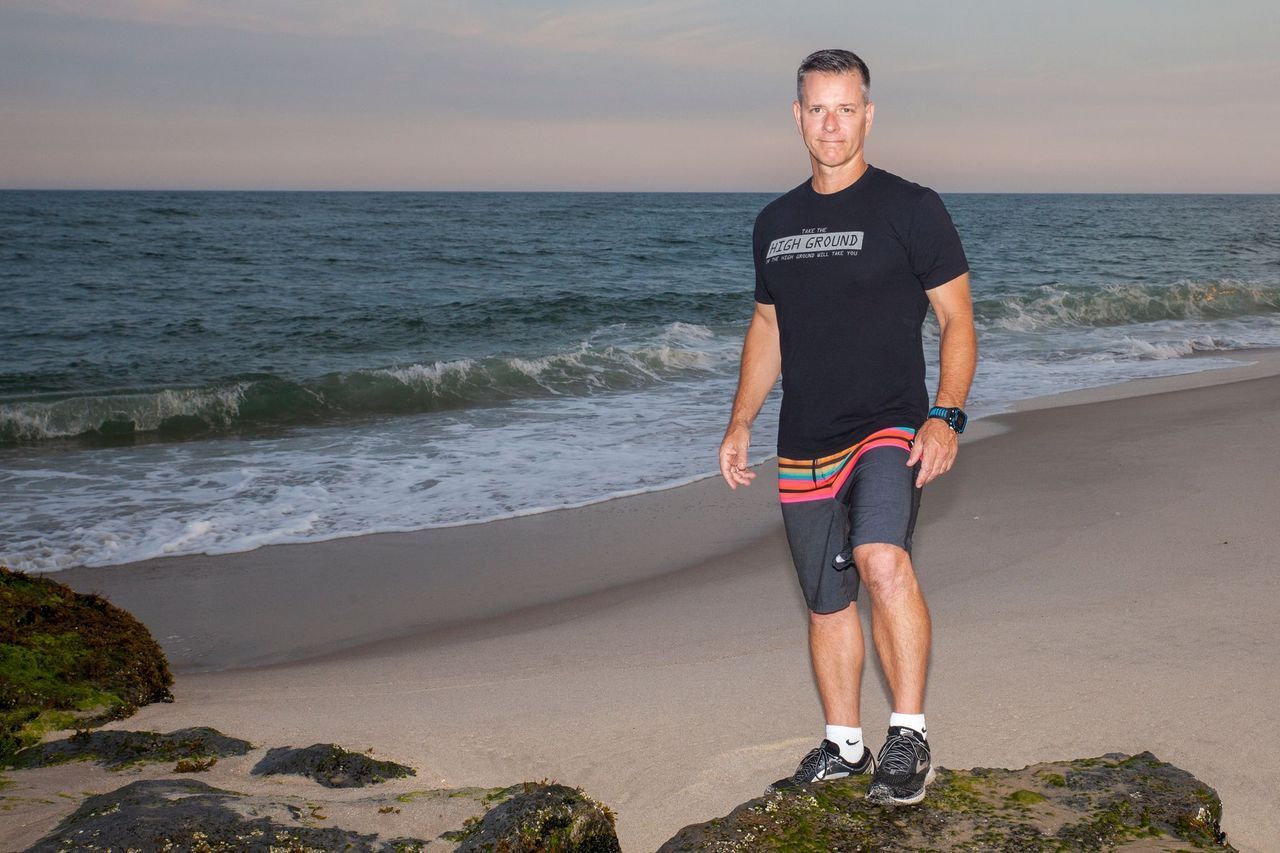
Bob Shaw - Fitness Coach - Founder, Physical Structure, Inc.
Thanks again for being part of the Age Strong, Live Long! community!
Until next time…
1