- Age Strong, Live Long!
- Posts
- The Summer Heat Survival Guide: Why Staying Hydrated Isn't Enough After 45
The Summer Heat Survival Guide: Why Staying Hydrated Isn't Enough After 45
Age Strong, Live Long! Newsletter - Issue #13

Bob Shaw
July 27, 2026


☀️The Summer Heat Survival Guide
Welcome back to Age Strong, Live Long! The recent summer weather has been relatively mild, but the intense heat will inevitably return. When it does, having a strategy to manage heat stress becomes increasingly important- especially after age 45.
In this issue we cover the heat-related topics listed on the following “Summer Heat Survival Checklist.” Here’s a downloadable version for handy access: SUMMER HEAT SURVIVAL CHECKLIST
At the end of this issue be sure to check out my “Bob’s Homemade Sports Drink” recipe. It’s really good, and an excellent “all natural” tool to maintain hydration, replace electrolytes and manage recovery. I hope you enjoy it.

❓Why Staying Hydrated Isn't Enough After 45
Every summer, before and during a heatwave, we hear the same advice from physicians, meteorologists and the evening news: "Stay hydrated. Stay out of the heat."
That's good advice, but it’s also incomplete. Until just a few years ago, very little attention was given to electrolyte replacement. Today, the discussion about electrolytes has gone mainstream. Podcasts, books, physicians, endurance athletes, fitness experts and advertisements all emphasize the importance of replacing the minerals we lose through sweat.
Is this simply another health trend? Not at all. As we age, our bodies become less efficient at regulating temperature. That means dehydration, electrolyte imbalance and overheating become significantly more dangerous than they were in our twenties.
Part of Strategic Aging is awareness about the physiological changes that occur naturally with age and making smart adjustments that allow us to continue performing at a high level for decades.
Summer heat provides a perfect example.
💦Sweating: The Body's Cooling System
Sweating is one of the most important survival mechanisms our bodies possess.
Every time we walk, golf, bike, lift weights, garden or simply spend time outdoors on a hot day, our muscles generate heat. Our bodies must continually remove that heat to keep our internal temperature within a narrow and safe range.
The primary way we accomplish this is through sweating. As sweat evaporates from the skin, it carries heat away from the body. This natural air conditioning system is remarkably effective.
Unfortunately, our sweating abilities changes with age. Beginning in midlife and continuing into older adulthood, several physiological changes can occur:
Sweat glands become less responsive
Sweating is delayed compared to younger adults
We often produce less sweat overall
Blood flow to the skin gradually decreases
Total body water declines
Our kidneys can become less efficient at conserving water
Importantly, our sense of thirst may become less reliable
Many adults over 45 also take medications that may increase the risk of dehydration, including certain blood pressure medications, diuretics, antihistamines and some antidepressants (It’s always a good idea to consult with your doctor on these potential side effects).
None of this means we should avoid outdoor activity. But it does mean we need a better strategy than we did twenty years ago.
Sidebar - Alcohol and Caffeine: Alcohol has a significant diuretic effect. Caffeinated beverages may have a mild diuretic effect in some people, but moderate caffeine intake generally does not cause dehydration.
💧Hydration Is Only Half the Equation
When we sweat, we lose far more than water. We also lose important minerals called electrolytes. Electrolytes include:
Sodium
Chloride
Potassium
Magnesium
Calcium
These minerals carry electrical charges that help regulate many critical functions throughout the body including:
Allowing muscles to contract
Help nerves communicate
Regulate heart rhythm
Maintain blood pressure
Without adequate electrolytes, water cannot do its job effectively. Think of water as the fuel and electrolytes as the wiring that allows the engine to operate. Both are essential.
Sidebar: Which Electrolyte Do We Lose the Most?
Sodium (salt).
During prolonged exercise or heavy sweating, sodium losses can become substantial, which is why sodium replacement is usually the primary focus of sports hydration.
🥤 How Much Water Should You Drink?
According to the National Academies of Sciences, Engineering, and Medicine, an adequate total daily water intake (from beverages and water-rich foods) is:
Men: Approximately 3.7 liters (125 ounces) per day
Women: Approximately 2.7 liters (91 ounces) per day
Keep in mind that about 20–25% of your daily water intake typically comes from food, so you don't necessarily need to drink all of these ounces as plain water.
On very hot days or when you're exercising, golfing, hiking, gardening, or spending extended time outdoors, I recommend adding an additional 16–32 ounces (2–4 cups) of fluids along with electrolyte replacement.
⚠️Can You Drink Too Much Water?
Yes. Most people have heard about dehydration. Far fewer have heard about hyponatremia, a condition in which drinking excessive amounts of plain water while continuing to sweat dilutes the sodium concentration in the bloodstream.
This condition is uncommon, but it does sometimes occur among marathon runners, endurance athletes, military personnel and outdoor workers.
Symptoms include headache, nausea, muscle cramps, vomiting, confusion and weakness. In severe cases, hyponatremia may cause seizures, coma and even death.
With water and electrolytes, balance is the goal.
☀️🏃♂️Exercising Safely in Hot Weather
Before Exercise
Begin the day well hydrated. Drink fluids consistently throughout the day rather than trying to "catch up" just before exercising. Eat regular meals that naturally replenish electrolytes (with emphasis on sodium/salt).
During Exercise
If exercising longer than 45 to 60 minutes in hot or humid conditions:
Drink electrolyte fluids regularly
Slow pace and take breaks when necessary
Seek shade when possible
Use your wearable as a guide- not as permission to ignore how your body feels
Dress for Success
Choose clothing that helps your body cool itself. Wear light-colored, lightweight fabrics that are loose-fitting. A breathable hat is helpful. Dark, heavy cotton clothing traps heat and slows evaporation.
Time Your Workouts Wisely
Whenever possible, on hot days exercise in the early morning or later in the evening. Try to avoid the hottest part of the day when both temperature and heat index peak.
🚑Heat Exhaustion vs. Heat Stroke
These two conditions are often confused, but they are very different.
Heat Exhaustion
Heat exhaustion occurs when the body is becoming overwhelmed but is still able to regulate temperature. Signs include:
Heavy sweating
Cool or clammy skin
Fatigue
Dizziness
Headache
Muscle cramps
Nausea
Rapid Pulse
What To Do
Stop exercising immediately
Move to a cool or shaded location
Loosen or remove excess clothing
Drink fluids containing electrolytes
Apply cool towels or ice packs
If symptoms worsen or fail to improve, seek medical attention.
Heat Stroke
Heat stroke is a true medical emergency. The body's cooling system begins to fail and core temperature rises rapidly, often above 104°F.
Signs include:
Confusion, difficulty speaking and altered mental status
Loss of coordination
Collapse and possible seizures
Hot skin
What To Do
Call 911 immediately
Move the person to shade and begin aggressive cooling
Apply ice packs to the neck, armpits and groin
If available, immerse the person in cold water
⬇️🌡️How to "Heat Dump"
One fascinating area of research involves something called glabrous skin.
Unlike most of the body, certain areas contain specialized blood vessels called arteriovenous anastomoses (AVAs) that allow large amounts of blood to flow close to the skin's surface. These areas include the palms, soles of the feet and the face.
Heat Dumping is essentially cooling the palms, soles of the feet and/or the face. If you begin overheating, run cool water over your hands (or carry a frozen water bottle you can grab periodically), put your bare feet on a cool surface or splash cold water on your face.
This doesn't replace hydration or rest, but it can temporarily improve heat dissipation and comfort. A minute of intentional cooling can allow your body to recover quickly.
🧂Electrolyte Replacement Options
There are many excellent products available today. Some of my favorites include:
Excellent for endurance athletes, heavy sweaters and individuals following lower-carbohydrate diets. High sodium content makes it particularly effective during prolonged exercise. Note: Comes in powder and ready-to-drink bottles
A clean, well-formulated hydration drink that works well for everyday workouts and recovery. Note: Great flavors. No artificial colors. This product comes in ready-to-drink bottles.
But for the BEST SPORTS & HYDRATION DRINK…
🧂💧Bob’s Homemade Sports Drink
One of my favorite options is making my own sports hydration drink. It contains no artificial colors, no artificial flavors and can be adjusted depending on workout duration and weather.
My recipe:
10 ounces water
10 ounces unsweetened coconut water
4 ounces no pulp orange juice
Fresh squeezed juice of ½ lemon
Fresh squeezed juice of ½ lime
1 tablespoon raw honey
¼ to teaspoon table salt
Tip: For longer-duration exercise (90+ minutes) or training in hot, humid conditions, increase the honey to 2–3 tablespoons and the salt to ½ teaspoon to better match your carbohydrate and sodium needs.
Why These Ingredients?
Water replaces lost fluid.
Coconut water provides potassium and some magnesium to support muscle and nerve function.
Orange juice supplies carbohydrates for energy and additional potassium.
Lemon and lime juice improve flavor and add small amounts of electrolytes and vitamin C.
Raw honey provides rapidly absorbed carbohydrates that help fuel working muscles and improve fluid absorption.
Salt replaces sodium, the electrolyte lost in the greatest quantity through sweat.
Nutrient | Approximate Amount |
|---|---|
Volume | ~26 oz |
Calories | ~120 kcal |
Carbohydrates | ~28 g |
Total Sugars | ~24–26 g |
Sodium | ~620 mg |
Chloride | ~950 mg |
Potassium | ~850–950 mg |
Magnesium | ~35–45 mg |
Calcium | ~50–70 mg |
Vitamin C | ~35–45 mg (approximately 40–50% Daily Value) |
🎯Final Thoughts
Getting older doesn't mean we have to stop doing the things we love, including outdoor activities in hot weather. Doing those things requires a different strategy than it did years ago.
This summer, respect the heat. Don't wait until you're thirsty to hydrate. Replace the electrolytes you lose through sweat. Adjust your workouts to the conditions.
Strategic Aging isn't about doing less- it's about doing things more intelligently so you can keep doing what you love for decades to come.
Until next time…
Age Strong, Live Long!
Physical Structure, Inc. - Personal Fitness Coaching
If you would like to learn more about Physical Structure coaching services by scheduling a free 15-minutes consultation, please E-mail me at [email protected] or visit our website at the following link:
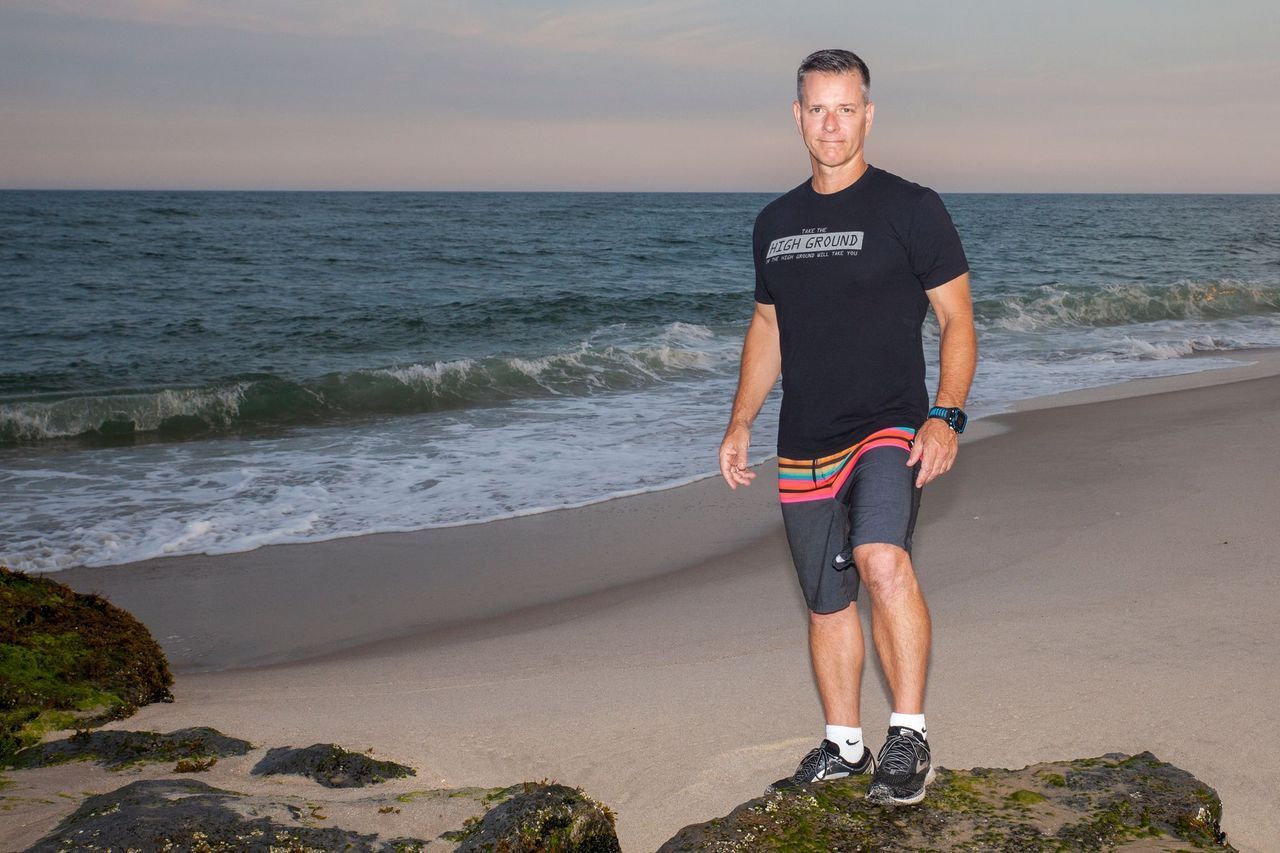
Bob Shaw - Fitness Coach - Founder, Physical Structure, Inc.
Thanks again for being part of the Age Strong, Live Long! community!
Until next time…