- Age Strong, Live Long!
- Posts
- From Ironman to Illness to Health
From Ironman to Illness to Health
Age Strong, Live Long! Newsletter - Issue #12

Bob Shaw
June 30, 2026

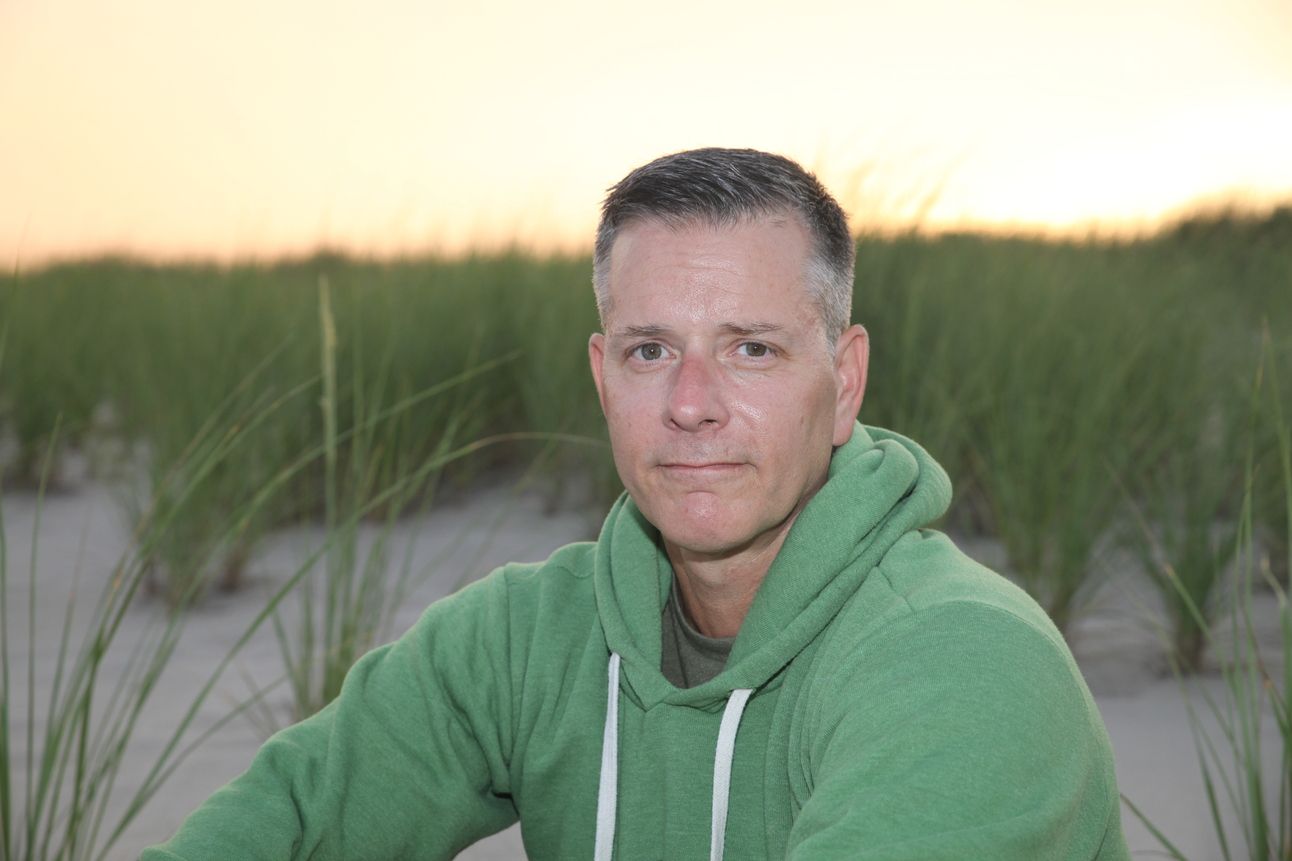
🔆From Ironman to Illness and Back: My 10-Year Journey
Welcome back to the Age Strong, Live Long! newsletter.
In upcoming issues, I'll be covering topics such as Warm Weather Hydration & Electrolytes, Fitness & Blood Biomarker Trackers, and Why and How to Count Macronutrients—Especially Protein and Fiber. As always, these topics will be viewed through the lens of what I call Strategic Aging: making decisions today that help you achieve your immediate fitness goals while simultaneously maximizing your chances of enjoying better health, greater independence, and a higher quality of life in the years ahead.
In this issue, however, I'd like to share a personal story.
My hope is that this story reaches someone who needs a dose of inspiration during a difficult time, or a reminder that what we perceive as weakness can sometimes become a source of great strength. There are moments when it feels like we’re completely on our own, but in truth we’re not. Hope has a way of appearing when we least expect it.
Ten years ago this week, my health took a dramatic and unexpected turn for the worse.
What began as a series of seemingly unrelated health issues soon evolved into a medical journey that would challenge my physical and mental health, my self-identity, test my resilience, and fundamentally change the way I think about health, fitness and aging. Eventually, I would be diagnosed with Common Variable Immunodeficiency (CVID), a disorder that affects the immune system's ability to fight infection.
Looking back now, I can see that the diagnosis marked not the end of an active life, but the beginning of a new one that taught me lessons about mindset, adaptation, patience, gratitude, and the remarkable power of never giving up.
140.6 🏊♂️🚴♂️🏃♂️
Recently I stood in the exact spot where, ten years earlier, my body experienced a major malfunction.
At the time, I was training for an Ironman triathlon. For those unfamiliar with the event, Ironman consists of a 2.4-mile swim, followed by a 112-mile bike ride, followed by a full 26.2-mile marathon. In total, the race covers 140.6 miles.
This would have been my third Ironman in five years. Between those races, I had completed ten Half Ironman’s (70.3 miles) and numerous other long-distance swimming, cycling, and running events. Endurance sports had become a major part of my life, and I was in excellent condition.
On that particular day, my training plan called for an 80-mile bike ride followed immediately by a 12-mile run. It was a stunning June morning. Cool, dry, and clear. I felt strong throughout the entire ride. A few miles into the run, I remember thinking how fresh my legs still felt. The race was two months away, but I knew I was ready.
Then everything changed.
With about a mile remaining, I suddenly felt weakness on the left side of my body. I looked up at the sky, and it appeared bright green. I was confused. I stopped running, but when I did, it felt as though I was still moving forward, like I was standing on a conveyor belt.
Then the world began to spin. I became completely disoriented. I thought: "Shit. I think I'm having a stroke."
I managed to walk the final mile back to my car. I sat down, drank some fluids, and considered calling an ambulance. Then, as suddenly as the symptoms had appeared, they vanished. Within ten minutes, I felt completely normal. I drove home.
Over the next several days, however, I felt crushingly fatigued. I scheduled an appointment with my primary care physician. After hearing about the training incident, he suggested that I may have become dehydrated during the workout and perhaps I had a bout of heat exhaustion. Separate of that, he also believed I had a sinus infection and prescribed a course of antibiotics.
🆘This Isn’t Going Away
After a week of downtime, I returned to training. Week after week, I completed demanding workouts without any recurrence of the strange symptoms I had experienced during that June training session.
Then, in late July, while on vacation with my family, it happened again. I was driving everyone back to our hotel when I suddenly felt my head become very heavy. The left side of my body felt weak. Recognizing the sensation immediately, I pulled the car over and asked my wife to take over driving.
By the time we arrived at the hotel, everything was spinning. The nausea was overwhelming. I lay down for a nap and, when I woke up, I felt much better. I thought the episode had passed. Then I stood up. The dizziness and nausea came roaring back.
For the remainder of the vacation, I spent most of my time lying in bed because it was the only position that provided relief. When we returned home, the symptoms worsened.
I scheduled another appointment with my primary care physician. After hearing about the persistent dizziness, he recommended that I see an otolaryngologist, more commonly known as an ENT (Ear, Nose and Throat specialist). Perhaps I was dealing with vertigo.
At the same time, my sinus infection had returned. Once again, I was prescribed a course of antibiotics. Over the next several weeks the symptoms eased off, so I kept training.
💔Ironman Mont Tremblant
Towards the end of August my family and I traveled to Mont-Tremblant, Québec, Canada for Ironman. I was excited for the race. Despite being intermittingly ill, I was in top shape. This would be the first Ironman my family came to watch, and I was looking forward to them seeing me cross the finish line.
The day we arrived my symptoms came back. The dizziness and nausea were unrelenting. While my family was out exploring the city, I lied in bed. On the day of the race, I woke at 3:30am. I felt terrible, but there was no way I wasn’t doing this race.
I’ll pause here for a moment: When I tell people about this race and my attempting to do it despite being so ill, I’m inevitably asked, “why?” In retrospect, I absolutely shouldn’t have attempted to do this race. That said, the entire reason I train for and compete in long distance endurance races is to test my limits and tolerance for discomfort. This race proved to be a worthy test.
Just before the race started, I was lying on my side trying to get relief from the dizziness. Another racer leaned down and asked if I was ok. I said, “yes, just a bit nervous.” He helped me up and we walked to the swim start corral.
Once I got in the water in a prone position, I felt great. As soon as I stood up at the end of the swim, the world was literally spinning. Over the next 7.5 hours I gutted out the bike ride. I blocked out the dizziness and nausea and kept pedaling.
On my way out to the run, I stopped to see my family. My wife looked at me with concern and whispered in my ear, “Your eyes. What’s up with your eyes?” We later joked that I looked like Rosemarry’s baby. I told her I was fine and made my way out to the run course.
From the start of the run, I had nearly zero balance. I could barely move in a straight line for more than a few steps. I was completely disoriented and my head was pounding. At the mile 6 aid station, race officials pulled me aside and asked if I was ok. I clearly wasn’t. My race was over. My family met me at the medical tent. My boys, who thought I was Superman, looked sad and concerned for me. Saying it was a bummer is an understatement.
🌡️And So It Goes
Over the next two years I was sick. I saw neurologists, cardiologists, oncologists, and just about every other specialist imaginable. As my primary care physician had suggested, I started with an ENT from a highly regarded practice. She was convinced I had persistent vertigo and prescribed a series of movement exercises. Unfortunately, they only made my symptoms worse.
Every diagnostic test, including MRIs, a cardiac stress test, and extensive blood work, came back normal. According to the doctors and the tests, I was in perfect health. One neurologist suggested I see a psychiatrist. I took her advice, but I struggled with the implication that my symptoms might simply be psychological.
Although the psychiatrist helped, I continued to deteriorate physically, emotionally, and mentally. I'm generally a very social person, but I began withdrawing from my family and friends. My illness was affecting my work. I had always identified myself as healthy, active, and productive. Slowly, I felt that identity slipping away, and with it, my hope.
In the absence of a diagnosis, I became a dedicated "internet doctor." I convinced myself that, of all the possible rare diseases I might have, I had every one of them. Ironically, the psychiatrist helped me cope with the emotional burden of being sick, even though we still had no idea why I was sick.
⚔️A New Hope
In late 2018, I began to suspect that my persistent sinus infections were responsible, at least in part, for my symptoms. I decided to start over with a new ENT. I searched online and chose the practice closest to my house. It wasn't a renowned medical center. Just an average neighborhood office.
At my first appointment, I summarized nearly three years of illness and hopelessness in less than a minute. The doctor paused, then said, "We're not going to let you leave here until we figure out what's causing your symptoms and get you feeling better. OK?"
I nodded.
After years of unanswered questions, I felt an immediate sense of hope.
The ENT examined my ears and sinuses and diagnosed another severe sinus infection. He prescribed antibiotics and steroids, then asked if my previous ENT had ever ordered a CT scan of my sinuses.
She hadn't.
The doctor raised his eyebrows.
At my follow-up appointment, he explained that CT scans usually look better than expected. Mine was one of the worst he had ever seen. Years of recurring infections had left extensive scarring, and my sinus passages were almost completely blocked.
When he asked how often I had been treated for sinus infections, I told him I had been prescribed antibiotics four to eight times a year for the previous fifteen years. He diagnosed chronic sinusitis and referred me to two of his partners: an immunologist and an ENT surgeon.
The immunologist ordered specialized blood work to evaluate my immune system. The results showed that my body was producing virtually none of the antibodies needed to fight infection, something he believed had likely been true since childhood.
I was diagnosed with Common Variable Immunodeficiency (CVID), a hereditary disorder affecting approximately 1 in 25,000 people. Because it develops gradually over decades, it is often difficult to diagnose, and many people live with the condition for years before receiving the correct diagnosis.
Finally, I had an answer.
The diagnosis brought relief, but it also brought difficult news. Treatment consists of lifelong monthly intravenous immunoglobulin (IVIG) infusions, and insurance companies typically require extensive documentation before approving coverage. My immunologist estimated the approval process could take 18 months to more than two years. In the meantime, he warned that I would likely become much sicker before treatment could begin, but he assured me we would do everything possible to manage my symptoms along the way.
🛣️Waiting, Approval & Gratitude
Over the next several years, while awaiting insurance coverage for treatment, I had three sinus surgeries to clear out scar tissue to open nasal drainage passages. I got sick (sometimes very sick). But under the guidance of my doctors, I was able reduce the instances of infection and manage the severity of symptoms. I was back to a “normal” healthy life.
Finally, in July 2022 I began treatment. My immunologist described the treatment as being like a battery. When your immune system “battery” is fully charged, you’re less likely to get sick. As the battery becomes weaker, so does your ability to fight infection. Every month (even presently), I feel a bit tired and fatigued the week leading up to my next treatment. But knowing this, I can manage activity and lifestyle habits accordingly.
In November 2022 I contracted a bad case of COVID. And then, just before Christmas, I got the flu. During my February 2023 treatment, I expressed frustration to my immunologist that I was still feeling the effects of COVID and the flu. Rather bluntly he asked, “Do you know how many of my patients died from COVID?” He continued, “You may be alive now only because you’ve received this treatment.”
After several years of treatment, combined with consistent nutrition, exercise, and healthy lifestyle habits, I feel stronger and healthier than at any other time in my life. I say that with humility because I know challenge may still be ahead. CVID is more than having an immune system that struggles to fight bacteria and viruses. It is a complex condition that significantly increases the risk of developing autoimmune diseases, chronic lung disease, gastrointestinal disorders, and certain cancers, particularly lymphoma.
That reality serves as a daily reminder to not take my health for granted. It influences the choices I make every day. I strive to make decisions that help me achieve my immediate fitness goals while simultaneously maximizing my chances of enjoying better health, greater independence, and a higher quality of life in the years ahead.
In other words, I live a Strategic Aging lifestyle, and my passion for helping others do the same continues to grow stronger.
🙏Closing Thoughts
Looking back over the past ten years, there are countless people to whom I owe a debt of gratitude. My wife and sons, who stood by me when none of us knew what was wrong. My primary care physician and ENT who refused to stop searching for answers. My immunologist, whose expertise and care have given me a second chance at living the life I love. Family and friends who encouraged me when I struggled to encourage myself. And, of course, the scientists, researchers, nurses, and healthcare professionals whose work makes treatments like mine possible.
Most of all, I'm grateful for perspective.
My illness taught me that good health is never guaranteed. It's a gift. That's one of the reasons I'm so passionate about Strategic Aging. We can't control everything that happens to us, but we can control many of the choices we make every day. Those choices matter.
Finally, if you're reading this while facing a health crisis of your own, or if someone you love is struggling, I hope my story reminds you that difficult chapters do not have to define the rest of your life. Keep asking questions. Keep advocating for yourself. Keep believing that better days are possible, because they are.
Until next time…
Age Strong, Live Long!
Physical Structure, Inc. - Personal Fitness Coaching
If you would like to learn more about Physical Structure coaching services by scheduling a free 15-minutes consultation, please E-mail me at [email protected] or visit our website at the following link:
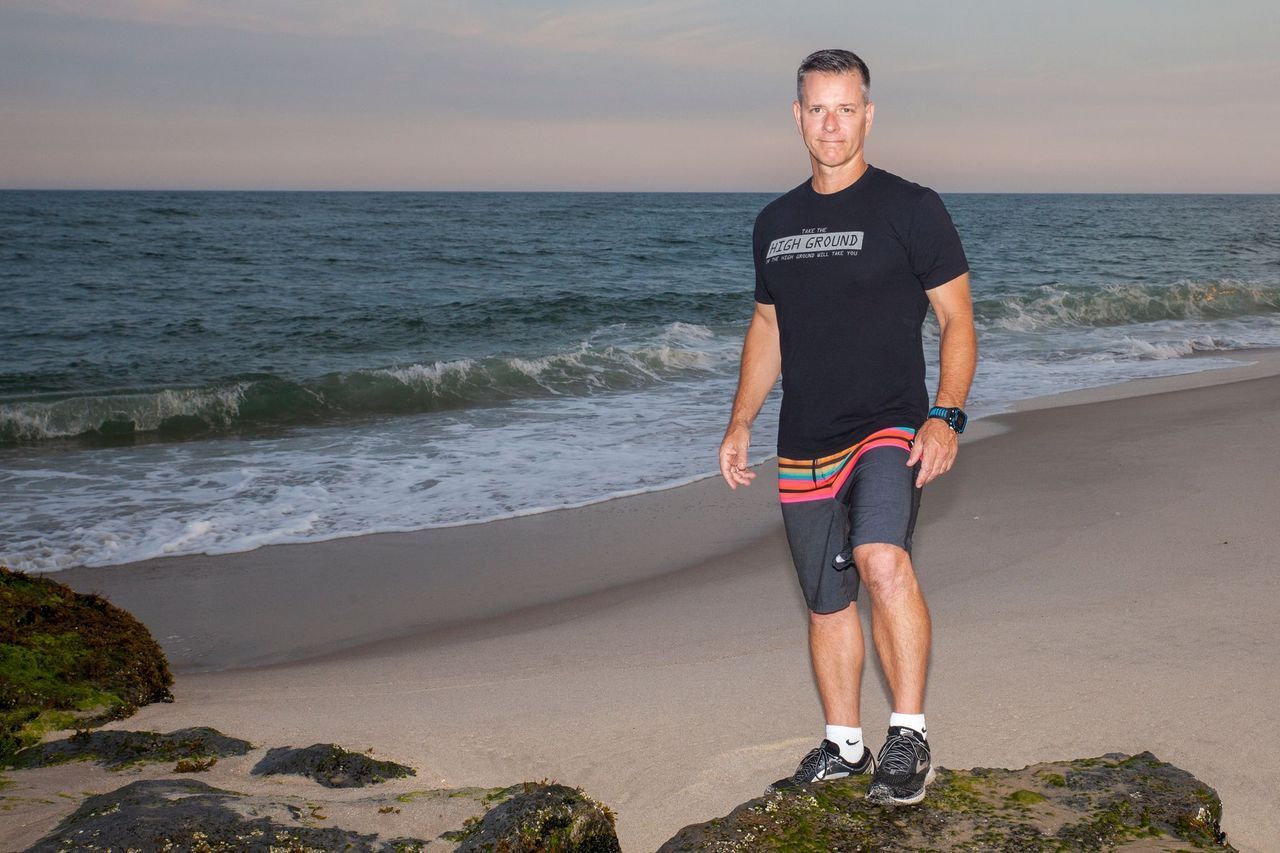
Bob Shaw - Fitness Coach - Founder, Physical Structure, Inc.
Thanks again for being part of the Age Strong, Live Long! community!
Until next time…